DDS, CDT, PhD
American Board Certified Prosthodontist
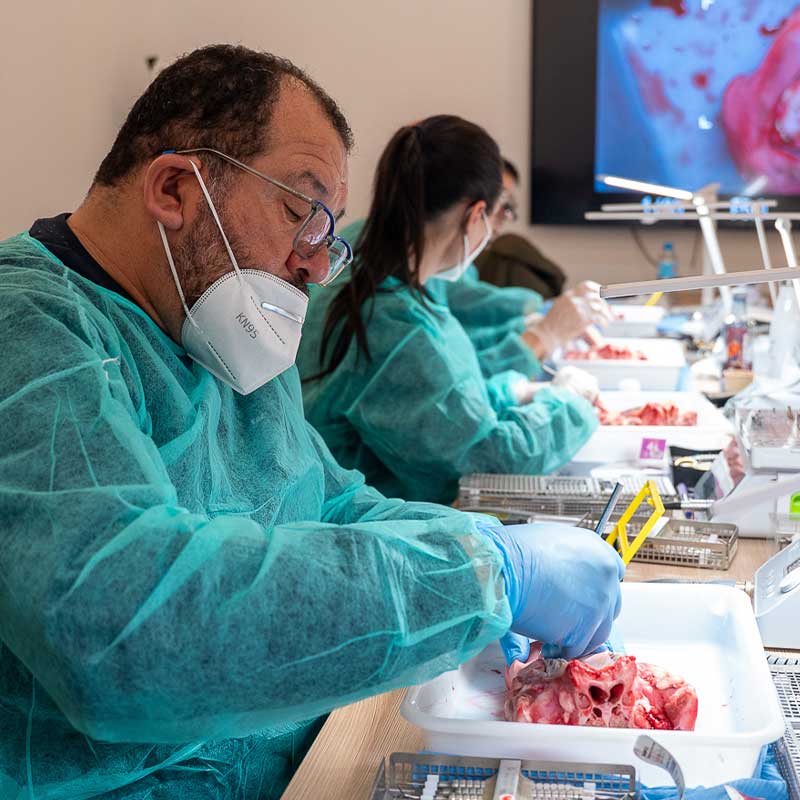
Elevate your rehabilitations with a predictable, biologically guided approach. This intensive residency is designed to help you master soft tissue and prosthetic management, covering the full workflow — from the critical initial loading decision to the resolution of complex complications. You’ll learn to use the provisional as a scalpel to sculpt gingival architecture, and you’ll master the digital workflow for transferring high-precision profiles to the lab. You’ll also dive into materials science to make sound clinical decisions.
Designed exclusively for restorative dentists who already place implant-supported prostheses in their daily practice. It’s the ideal next step if you already have the fundamentals down and want to move toward excellence: mastering tissue behavior, optimizing your digital workflow, and resolving complications in single-unit and bridge restorations.
For participants to gain the clinical judgment and technical tools needed to plan, execute, and deliver implant-supported restorations with predictable outcomes — mastering soft tissue, digital workflow, and decision-making for any complication.
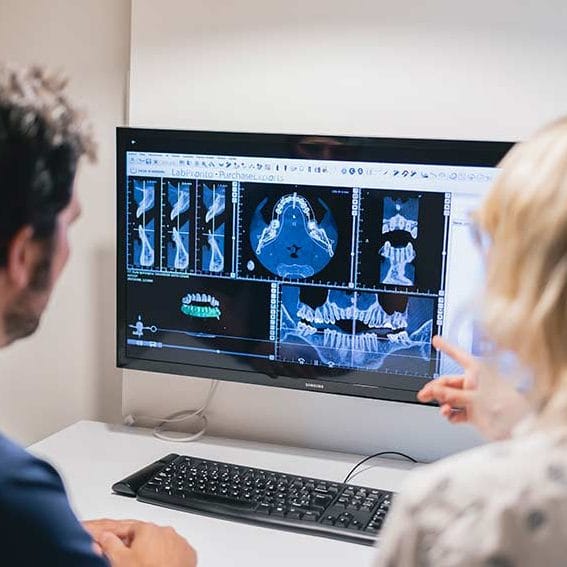
Diagnostic and planning judgment: Learn to read each case from the final outcome — applying backward planning to position the screw where the prosthesis needs it, not where surgery allows it.
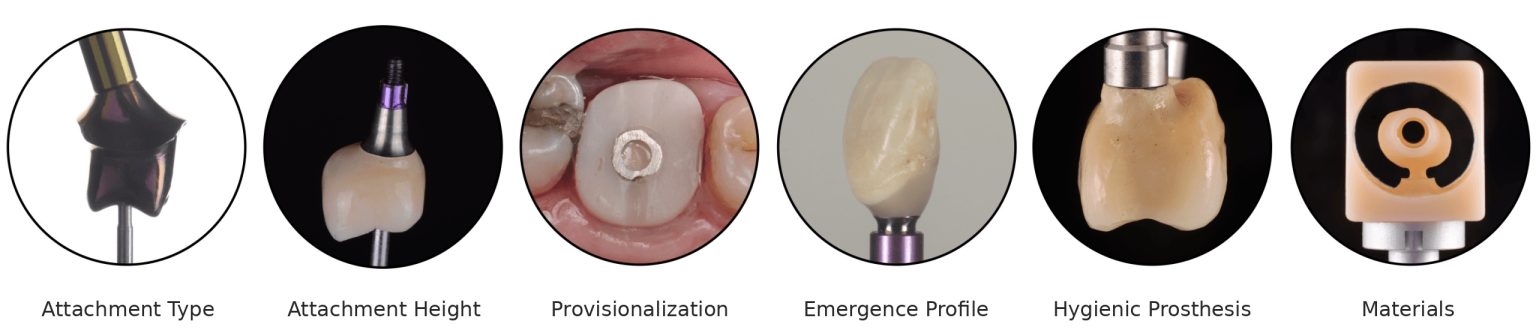
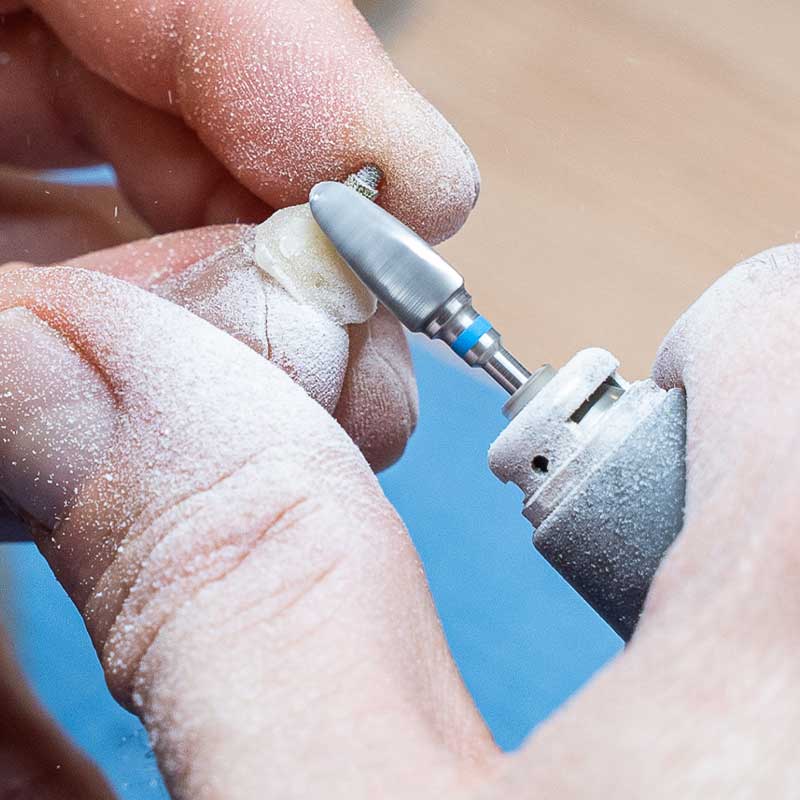
Soft tissue mastery: Learn to design and modify emergence profiles, shape gingival margins with provisionals, and form papillae in bridges — turning the provisional into your most precise clinical tool.
Confidence in material and component selection: Decide with your own judgment between Ti-Base and custom abutments, zirconia and metal-ceramic, based on the esthetic and biomechanical demands of each case.
Fluency in the digital workflow: Transfer emergence profiles to the lab through high-precision scanning and clinical photography, integrating digital workflow seamlessly into your daily protocol.
Complication and retreatment resolution: Identify legacy implant connections, and respond to loosening, prosthetic peri-implantitis, and misfit — with clear protocols you can apply from day one in practice.
Theoretical block:
Lab practice:
Theoretical block:
Lab practice:
Clínica Blasi · Carrer de Muntaner 341, Barcelona
Theory, Diagnosis,
and Lab I
Digital Workflow, Complications, and Lab II (Double Session)
Live Treatment
(Live Patient)
September 30 – October 2
Monday and Tuesday, 10 hrs
Wednesday, 6 hrs
Only 10 participants
Barcelona, España
3 Days (Theory, Lab, and Clinic)
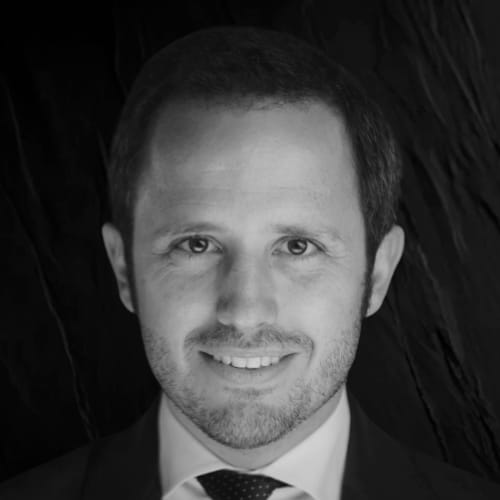
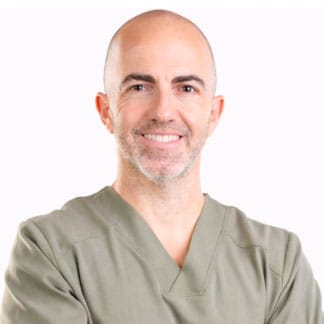
Dr. Álvaro Blasi
Strictly Limited Spots
Prosthodontist
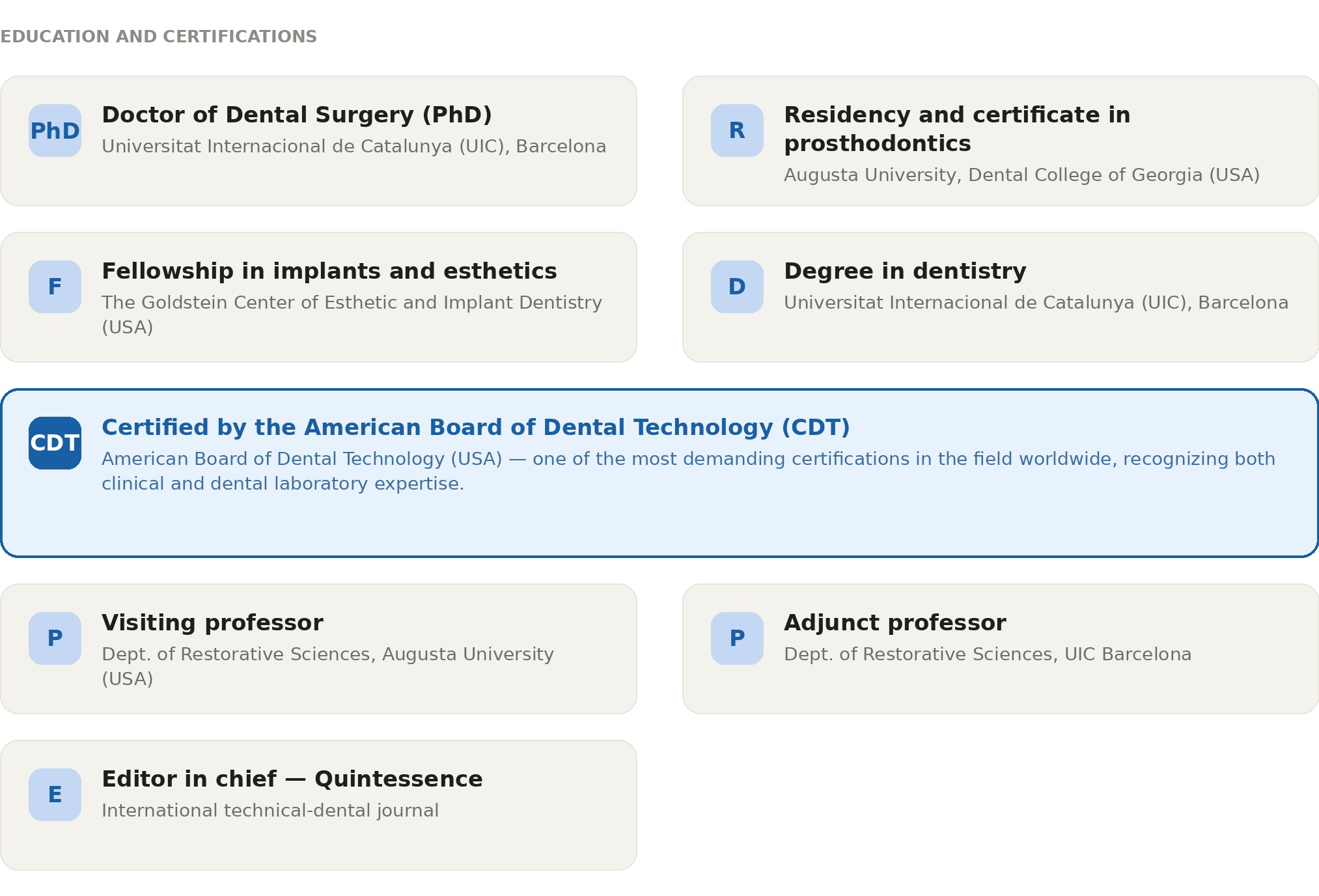
Dr. Álvaro Blasi is an American Board Certified Prosthodontist and Certified Dental Technician (CDT), with specialized training in the United States and a PhD from the Universitat Internacional de Catalunya (UIC) in Barcelona. He completed his three-year residency in prosthodontics at Augusta University, Dental College of Georgia, and furthered his training with a fellowship in implant and esthetic dentistry at the prestigious Goldstein Center of Esthetic and Implant Dentistry.
His private practice in Barcelona combines clinical excellence in advanced prosthetics, full-mouth rehabilitation, and implants with a strong academic and research background. He is Editor-in-Chief of the dental technical journal Quintessence and the author of numerous scientific articles in international publications on interdisciplinary treatment, dental esthetics, and implant restorations.
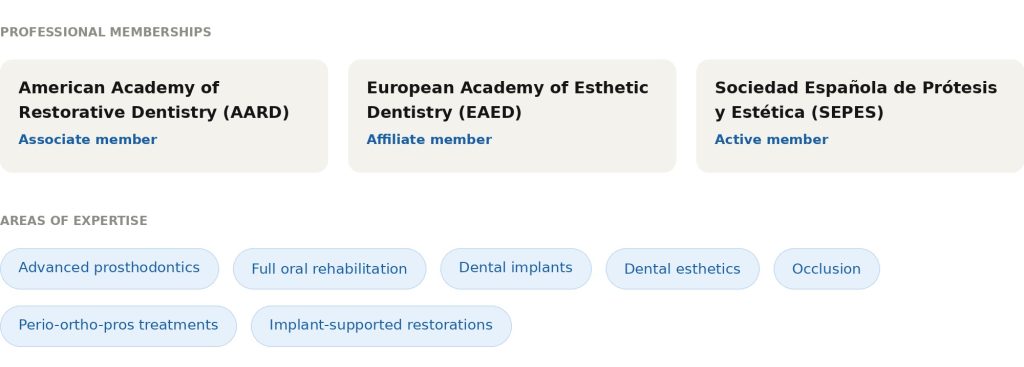
As an adjunct professor at Augusta University and UIC Barcelona, Dr. Blasi trains the next generation of specialists. His work as a national and international lecturer places him at the forefront of contemporary prosthodontics, with particular interest in perio-ortho-prosthodontic treatment, occlusion, and esthetics.
Strictly limited spots. Top-level training focused on real clinical outcomes.
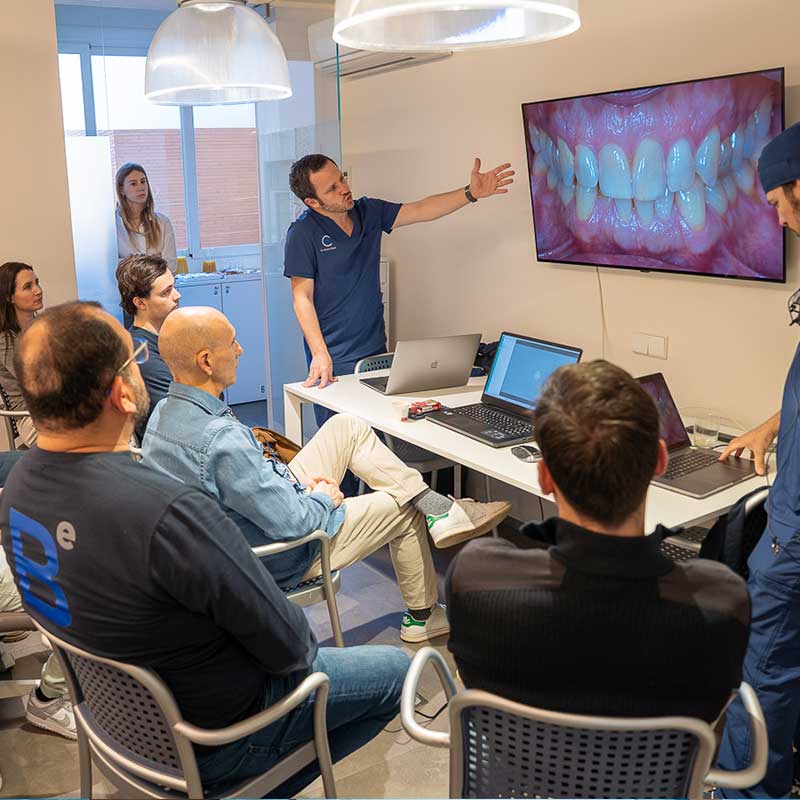
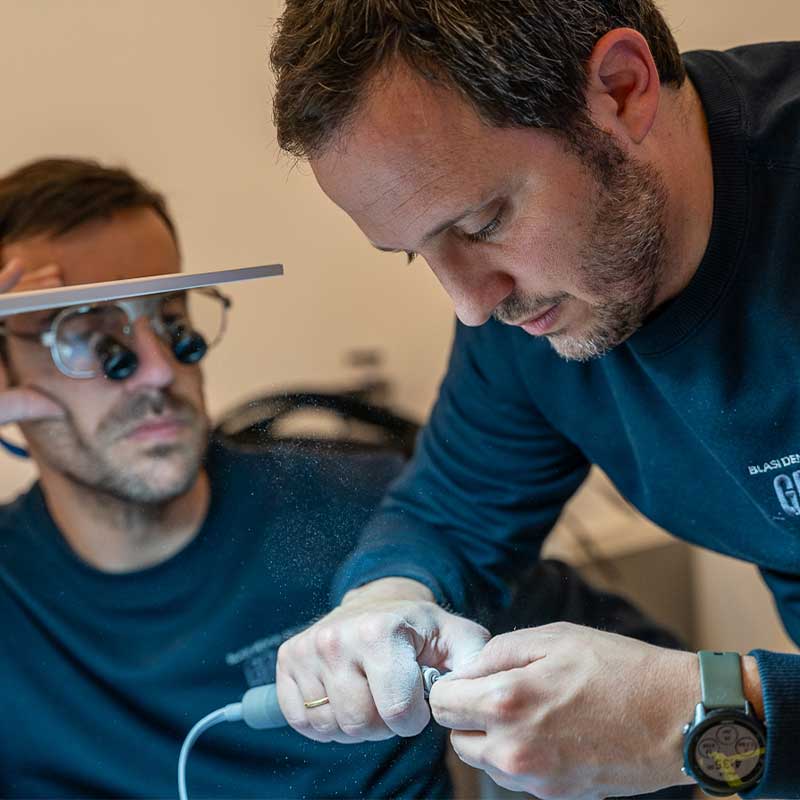
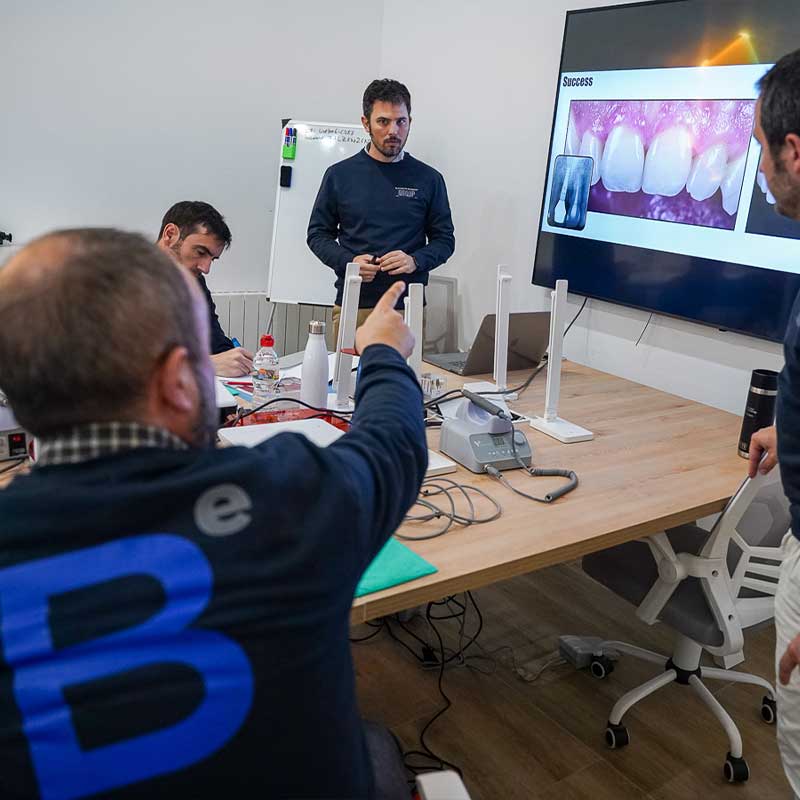
We guarantee close, direct interaction. The doctor is by your side throughout, answering your specific questions.
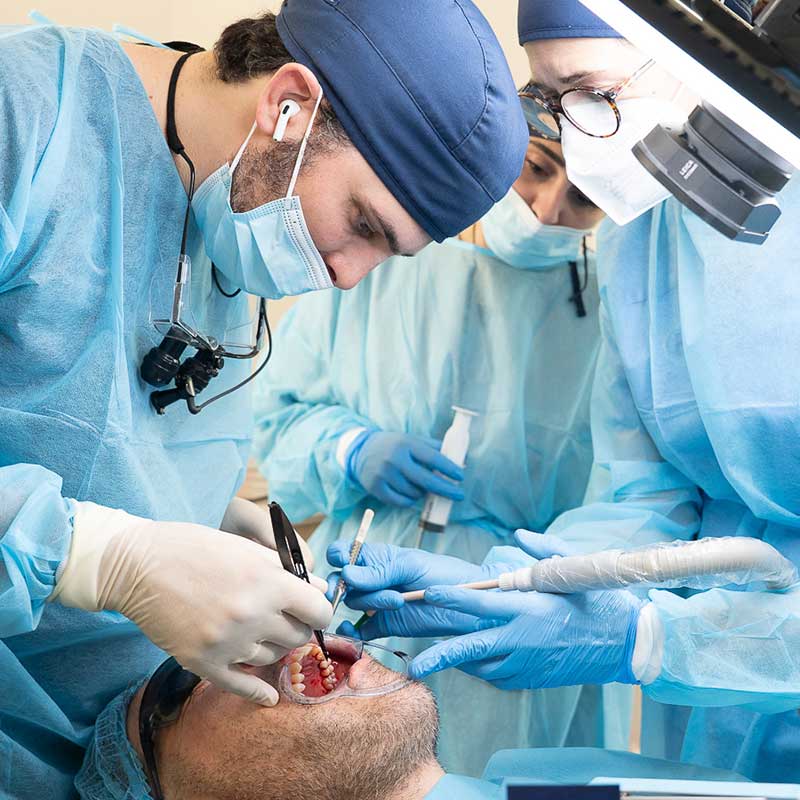
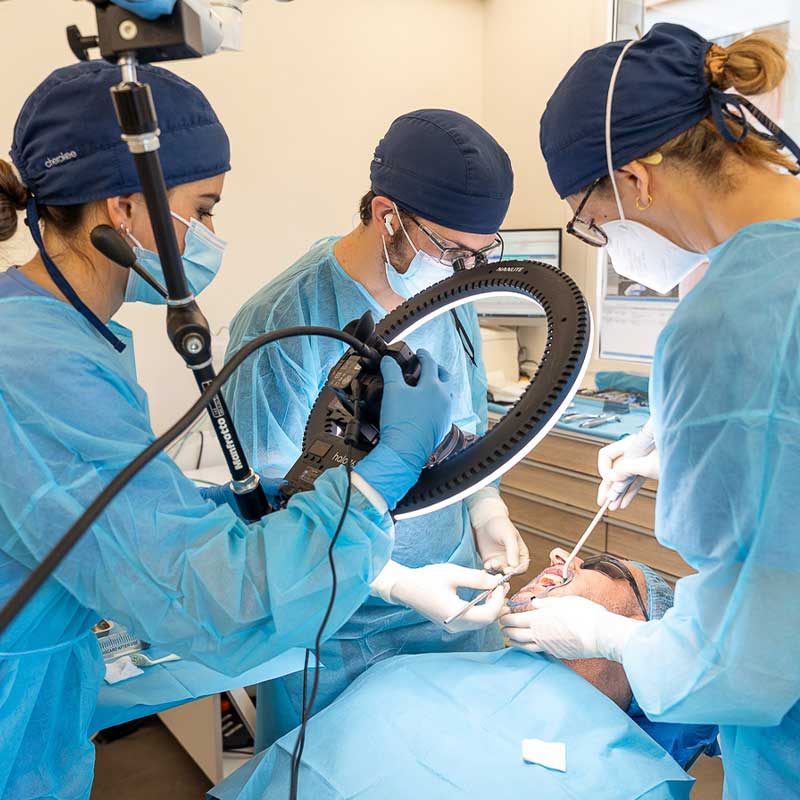
No filters. Watch real-time decision-making and complication management on patients in our own clinic.
Practice and discuss your own cases. The goal isn't to replicate protocols, but to master the technique so you can decide your best strategy.
Training led by Dr. Blasi, American Board Certified, drawing on international academic experience and years of training in the U.S.
These are the voices of real professionals who already apply in their own practice the clinical vision and judgment that only training in a real-world setting can give.
It’s for dentists and restorative specialists who already place implant-supported prostheses in their daily practice. It’s the ideal course if you already have the fundamentals down and now want to move toward excellence: mastering tissue behavior, optimizing your digital workflow, and learning to resolve or correct errors in both single-unit prostheses and 2–3 unit bridges.
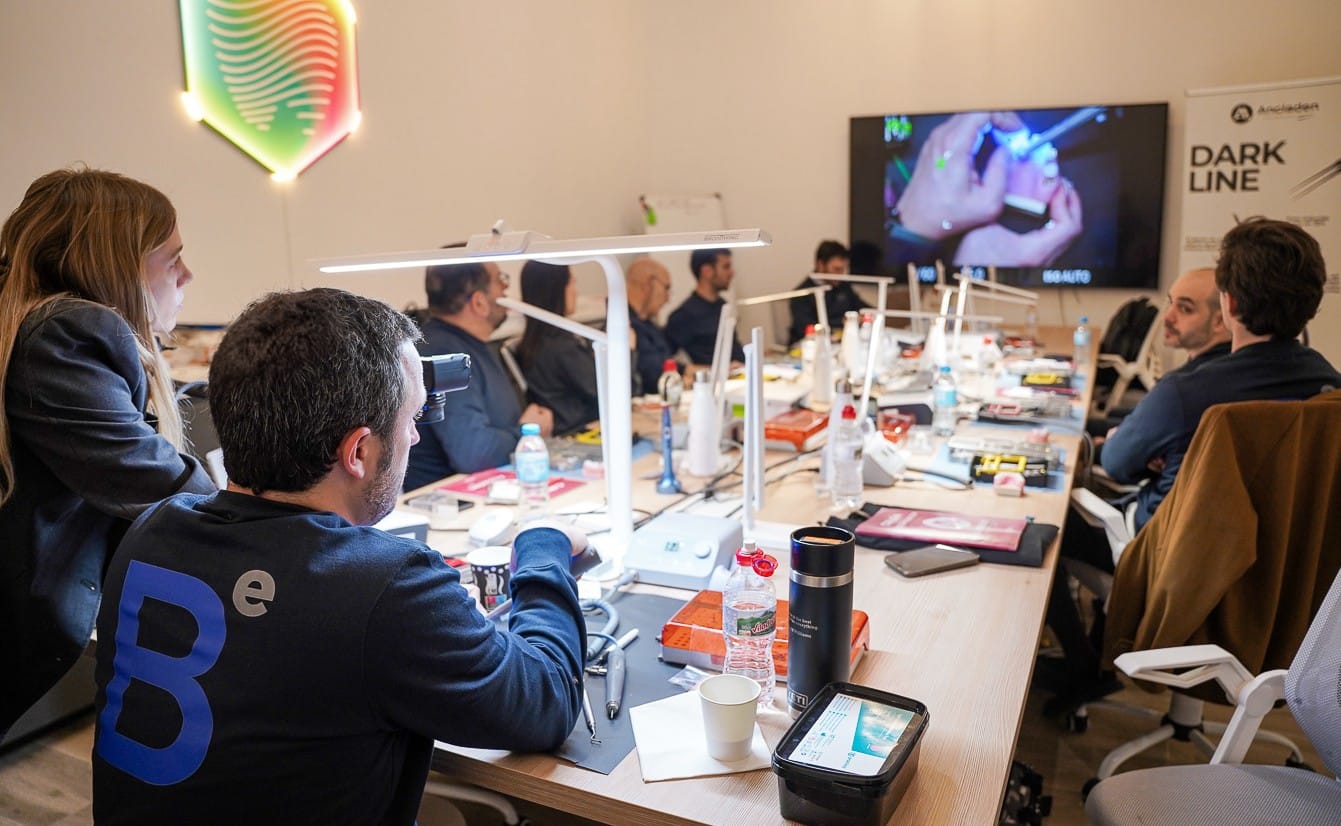
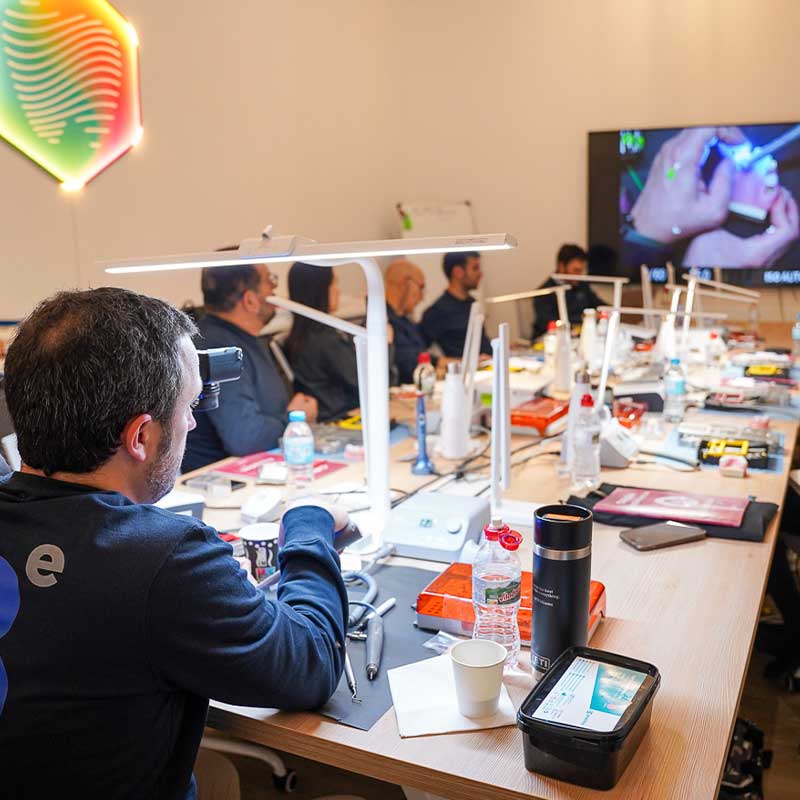
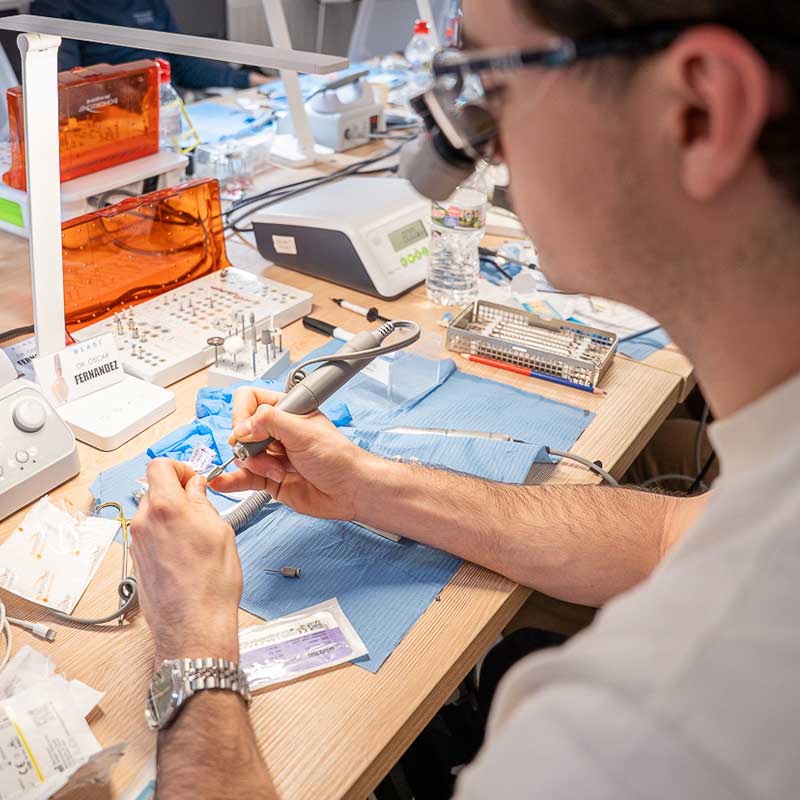
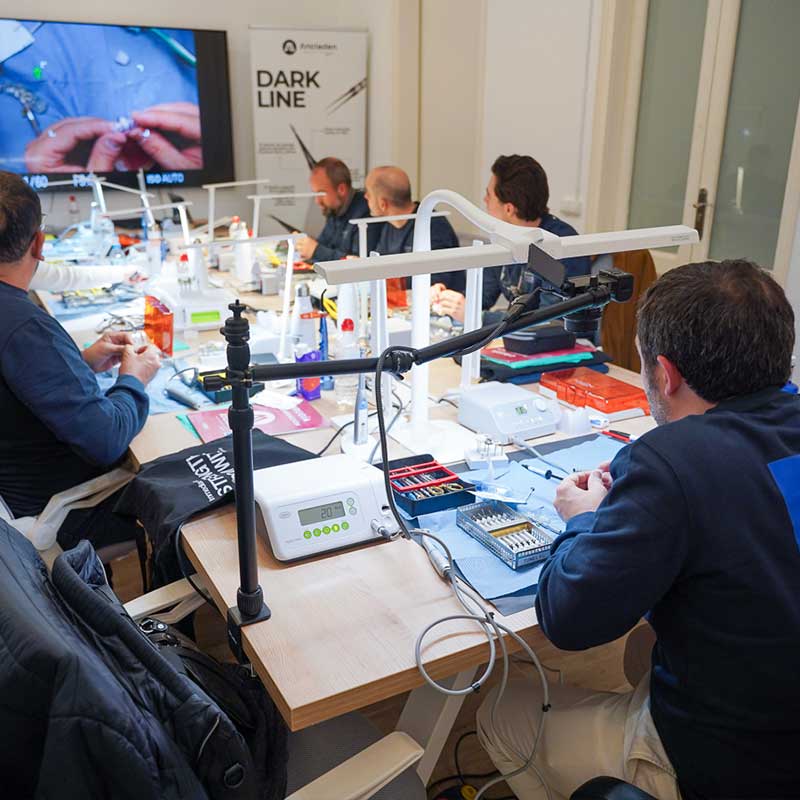
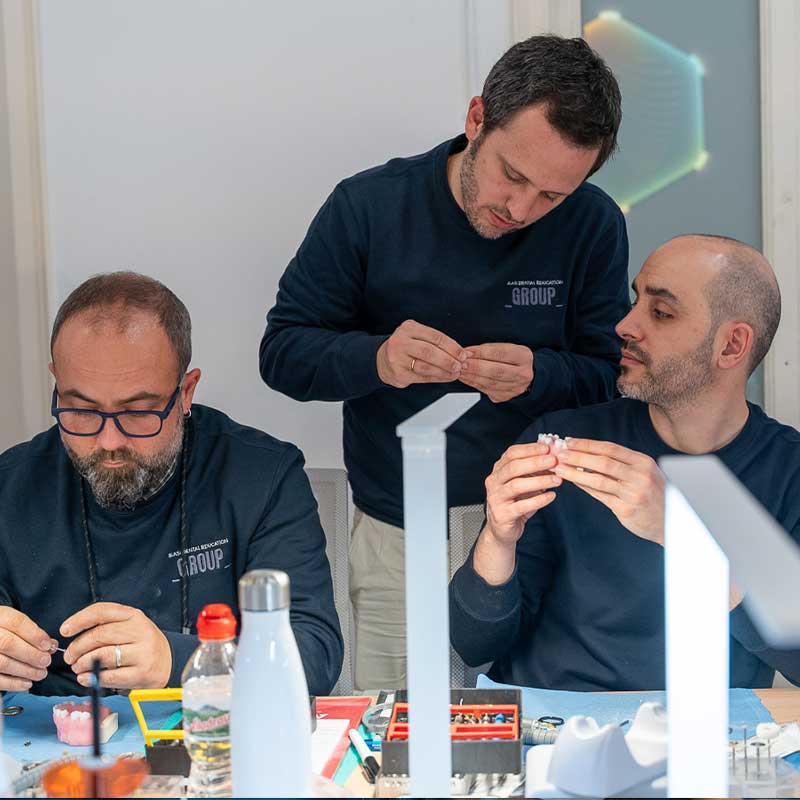
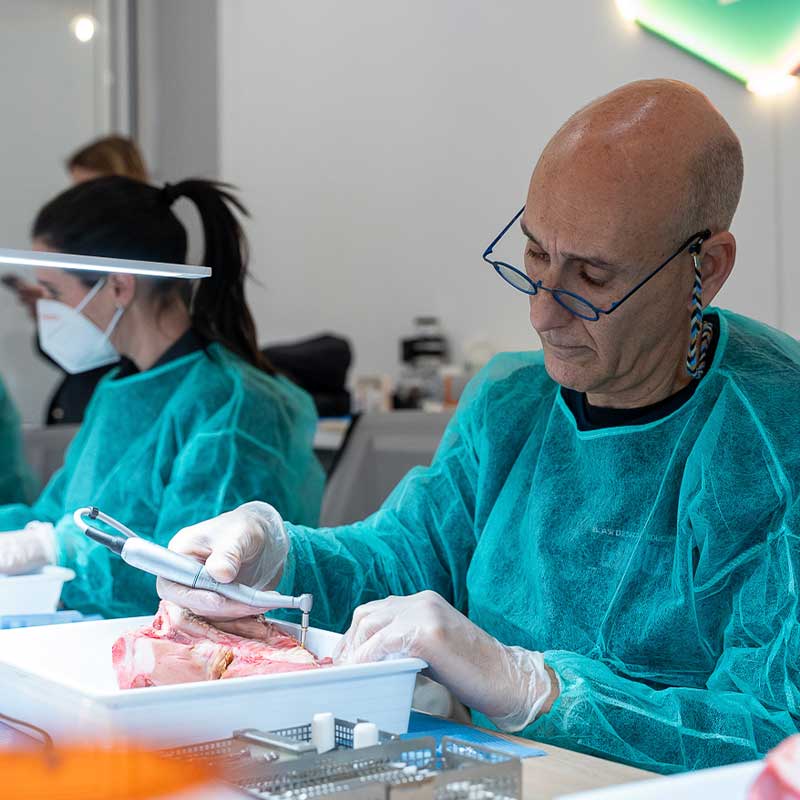
The 75% hands-on approach and the live clinical circuit. You won’t just see theory — you’ll spend 6.5 hours in the lab completing 5 blocks of specific exercises, and on the final day you’ll see it all applied to live patients.
No, Blasi Education takes care of everything. If you use loupes, that’s the only thing you’ll need to bring.
The first two days (Theory and Lab) take place at Calle Francolí 57, Barcelona. On the third day (Live Treatment with patients), we move to Clínica Blasi, at Calle Muntaner 341, Barcelona.
Yes, strictly limited. To ensure personalized mentoring in the lab and to guarantee that every participant can interact directly with the doctor and ask questions during the Day 3 clinical circuit, the group size is kept very small.
Yes, at the end of the third day, official diplomas certified by Blasi Education are presented, accrediting the theoretical and practical training hours completed.
Fill out the form and we’ll get in touch to answer your questions and confirm your spot.
Utilizamos cookies propias y de terceros para analizar y mejorar nuestros servicios, mediante el análisis de su navegación por nuestro website, en base a un perfil elaborado a partir de sus hábitos de navegación (como por ejemplo, páginas visitadas). No consentir o retirar el consentimiento, puede afectar negativamente a ciertas características y funciones.
Escríbenos